
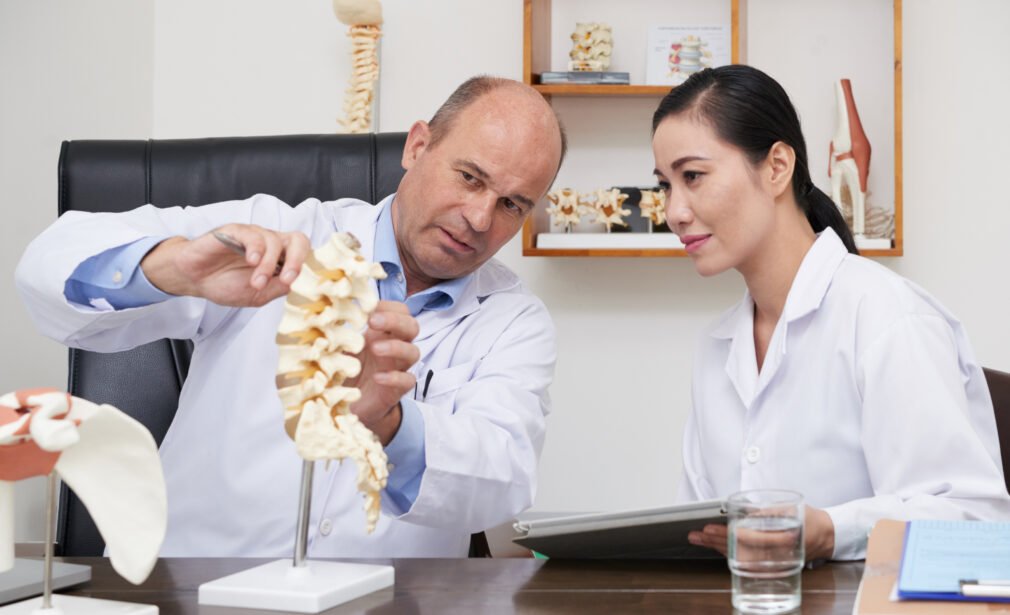
Osteoporosis & Bone Health Clinic
“Stronger Bones. Healthier Life.”
The Osteoporosis & Bone Health Clinic is dedicated to the early detection, prevention, and management of bone-related conditions such as osteoporosis and metabolic bone disorders. Osteoporosis is often called a “silent disease” because bone loss occurs without symptoms until a fracture happens, making timely screening essential. Our clinic offers comprehensive evaluation including bone density (DXA) scans, risk assessment, and laboratory investigations to identify underlying causes of bone loss.
With a multidisciplinary approach, our specialists provide personalized treatment plans that include lifestyle modification, nutrition guidance, calcium and vitamin D support, exercise programs, and advanced medical therapies. Our goal is to strengthen bones, reduce fracture risk, and improve overall quality of life through proactive and continuous care.
Who Should Visit?
- People with back pain, height loss, or fractures after minor falls
- Women after menopause
- Elderly individuals concerned about weak bones
- Patients with thyroid problems, diabetes, or long-term steroid use
How We Check Your Bone Health
- Simple blood tests to check calcium, vitamin D, and hormones
- Assessment of your overall fracture risk
- If needed, we will guide you for a bone scan (DEXA)
Treatment & Care
- Medicines to strengthen bones and prevent fractures
- Correction of vitamin D and calcium deficiency
- Management of conditions affecting bone health (thyroid, diabetes, parathyroid problems, hormone issues etc.)
Lifestyle Guidance
- Advice on diet for strong bones
- Simple exercise plans to improve bone strength
Our Approach
“We focus on early detection and prevention—so you can stay active, independent, and fracture-free.”
Frequently asked questions(FAQs)
Osteoporosis is a condition where bones become weak and fragile due to loss of bone density, increasing the risk of fractures even with minor falls or injuries.
People at higher risk include older adults, especially postmenopausal women, individuals with a family history of osteoporosis, low calcium intake, sedentary lifestyle, or long-term steroid use.
Osteoporosis is commonly diagnosed using a bone density test (DEXA scan), along with medical history evaluation and, in some cases, blood tests to identify underlying causes.
Yes, osteoporosis can be prevented and managed through a healthy diet rich in calcium and vitamin D, regular weight-bearing exercise, lifestyle changes, and medications when necessary.
Reach out to us for personalized care and expert advice tailored to your endocrine health.
For appointments